

Learn Effective Steps to Ready Your Walls Before Painting
Preparing your walls before painting is an essential task that ensures a smooth and lasting finish. It might seem like an unnecessary step at first, but skipping it can lead to uneven surfaces and peeling paint. By taking the time to properly prepare, you not only enhance the appearance of your space but also extend the life of your paint job. This guide will walk you through each step, making your painting project a success.
Importance of Wall Preparation
Before diving into painting, it’s vital to understand why wall preparation matters. Properly prepped walls allow paint to adhere better, providing a smoother finish. Furthermore, addressing imperfections beforehand prevents future problems such as cracks or bubbling paint. If you’re considering hiring professionals, good painting services often include comprehensive preparation in their offerings.
Gather Necessary Tools and Materials
To get started, gather all necessary tools and materials. These may include sandpaper, scrapers, cleaning agents, and repair compounds. Having these items on hand saves time and keeps your project running smoothly. Many painting services recommend this approach as it reduces interruptions during the painting process.
Cleaning the Walls Thoroughly
The first physical step in preparing your walls is thorough cleaning. Dust, grease, and grime can prevent paint from sticking well. To clean, use a mild detergent mixed with water to wipe down surfaces. For tougher spots, consider a stronger cleaner suitable for your wall type. Dry the walls completely to avoid moisture-related issues later on.
Repairing Imperfections
Next, inspect your walls for any damage or imperfections. Look for holes, cracks, or dents that need fixing. Use a spackling compound to fill these areas. Once dry, sand them down until they’re even with the surface. This repair work ensures a flawless final look once painted.
Sanding for Smoothness
Sanding is crucial for achieving even walls ready for painting. Gently sand the entire wall using fine-grit sandpaper to remove any uneven textures or old paint residues. This creates a smooth canvas for your new paint layer and helps it adhere firmly.
Priming the Surface
Applying primer is an often-overlooked but vital step. Primer seals the wall surface and provides an ideal base for paint application. It enhances color vibrancy and durability. Choose a primer suited to your wall’s material, whether drywall or plaster.
- Choose the right primer for your wall type
- Apply evenly across all prepared surfaces
- Let it dry completely before applying paint
Taping and Covering Areas
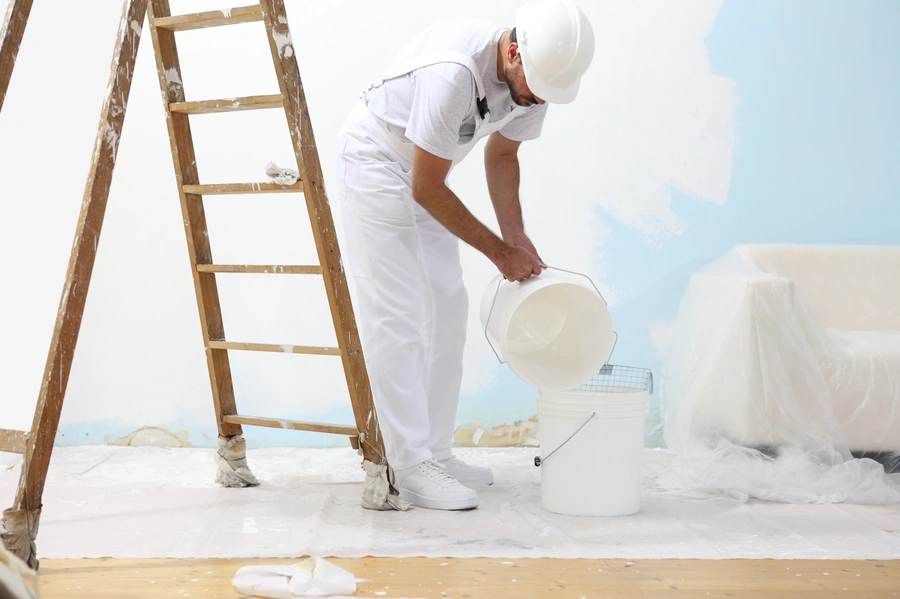
Finally, protect areas that shouldn’t be painted by taping edges and covering floors or furniture near your workspace. Use painter’s tape to outline doors, windows, and trims. Drop cloths are useful to catch any stray drips or spills during the painting process.
Contact Us for More Assistance
If you need professional help in preparing your walls or completing your painting projects, contact Christopher Remodeling at (704) 530-8327. Our team in Lincolnton, NC is ready to assist with expert advice and quality service.